Chabaprai Kailas took his first steps to becoming a chef in the narrow streets of Rattanakosin, Bangkok’s Old City. It was an auspicious start: this teeming international metropolis now has more food establishments per square mile than any other in the world. In short, this vast city revolves around food.
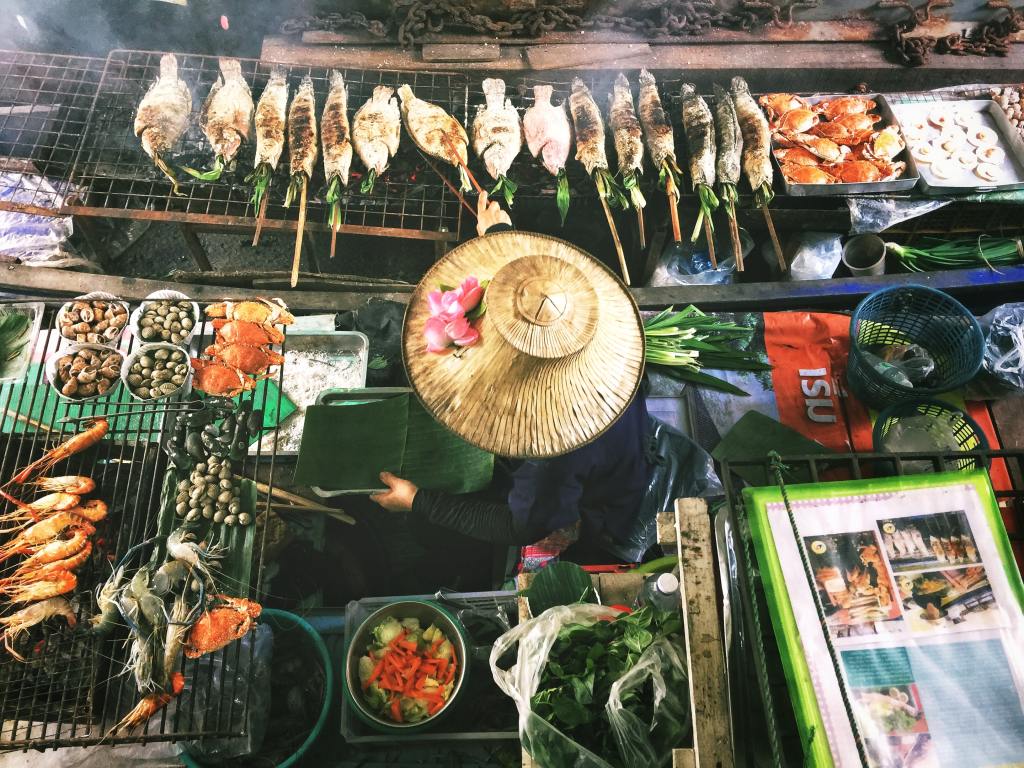
Here, and all over Thailand’s capital city, you’ll find rickety food carts, stalls, and tiny shops churning out bowl after bowl of spicy, salty, sour and sweet street food. They are the flavours that define the cooking of this country.
I love South East Asian food and cook it often at home in England. It would be fair to say that my familiarity with the cuisine of Thailand extended to lunches at Sri Nam, my local Thai restaurant in London’s financial district, and rather distant memories of a holiday on Ko Samui where I naively chose some of the hottest dishes on the menu.
Last year, on a stay in Ko Pha Ngan, an idyllic island in the Gulf of Thailand, I decided I’d do it properly and so I committed to learn about the flavours, ingredients and the techniques of Thai cuisine.
As anywhere else in the world, the food we ate in Thailand bore scant resemblance to the food we eat in a Thai restaurant back home. Apart from the sheer abundance of basic staples like noodles and salads, there are also hundreds of desserts – cakes, jellies, puddings, all made from coconut, rice, eggs and sugar – to choose from.
I’d signed up for an afternoon’s Thai cookery school at the Buri Rasa Culinary School of Thai Cuisine, on Thong Nai Pan Noi beach where Chabaprai Kailas is now executive chef. Decked out in aprons and chefs hats, two other aspiring Thai cooks and I began our afternoon of cookery school.
The first thing I learned is that the wok is king. It’s used for everything from stir fries to curries, noodle dishes, deep frying and steaming, in fact wok buying appears to be a science in itself. As are the utensils needed for the basic ritual of stirring ingredients, including spoons with long handles and bamboo shovels that allow for nifty stirring and skillful lifting of the food from the wok.
Our first dish was Phad Krapraw Gai, a stir fried chicken dish with hot basil leaves.. Thai basil chicken combines the pungency and heat of garlic and chili with salty fish sauce, black soya sauce, palm sugar and hot basil leaves. A we eagerly tossed ingredients in our woks like pros, we formed the live entertainment for a procession of bemused holiday makers heading for a cooking dip in the ocean. Sitting down at tables laid with linen tablecloths and using chopsticks to sample our fare, it was little short of divine to bask in the afternoon sun, with the sound of distant waves to accompany the eating our very own Thai dish.
Then it was time for dish two. Phad Thai Gai, or what we know as Pad Thai. Gai, I learned, is Thai for chicken. In this dish there were exotic ingredients I, even as an adventurous amateur cook, hadn’t come across before, dried pickled turnips. Tt was nothing like cooking it at home: palm sugar syrup, tamarind juice and fish sauce created the salty/sour/sweet combination; the pickled turnips adding a crunchy texture to the rice noodles, bean sprouts and shallots. It was great because it felt – authentic.
On to dish three and we were, unsurprisngly, getting a little full. But determined to see it through we took our places at the makeshift kitchen stall. And the dish chosen from the hundreds of sweet desserts Thailand has to offer was this – Klouy Thod, or fried bananas with honey. It sounds like a dish that we would call banana fritters and, to be honest, that’s what they were but all the more delicious because we were eating them on an idyllic island beach in the sun.
What did I learn on my culinary adventure? Without doubt that the combination of flavours, textures and fresh ingredients are the most important things in Thai cookery. That I love Thai food, the heat, the salt and the sweet combinations – and this simple cookery lesson will stay with me for a long time.
 LISA BAITUP
You must be logged in to post a comment.